












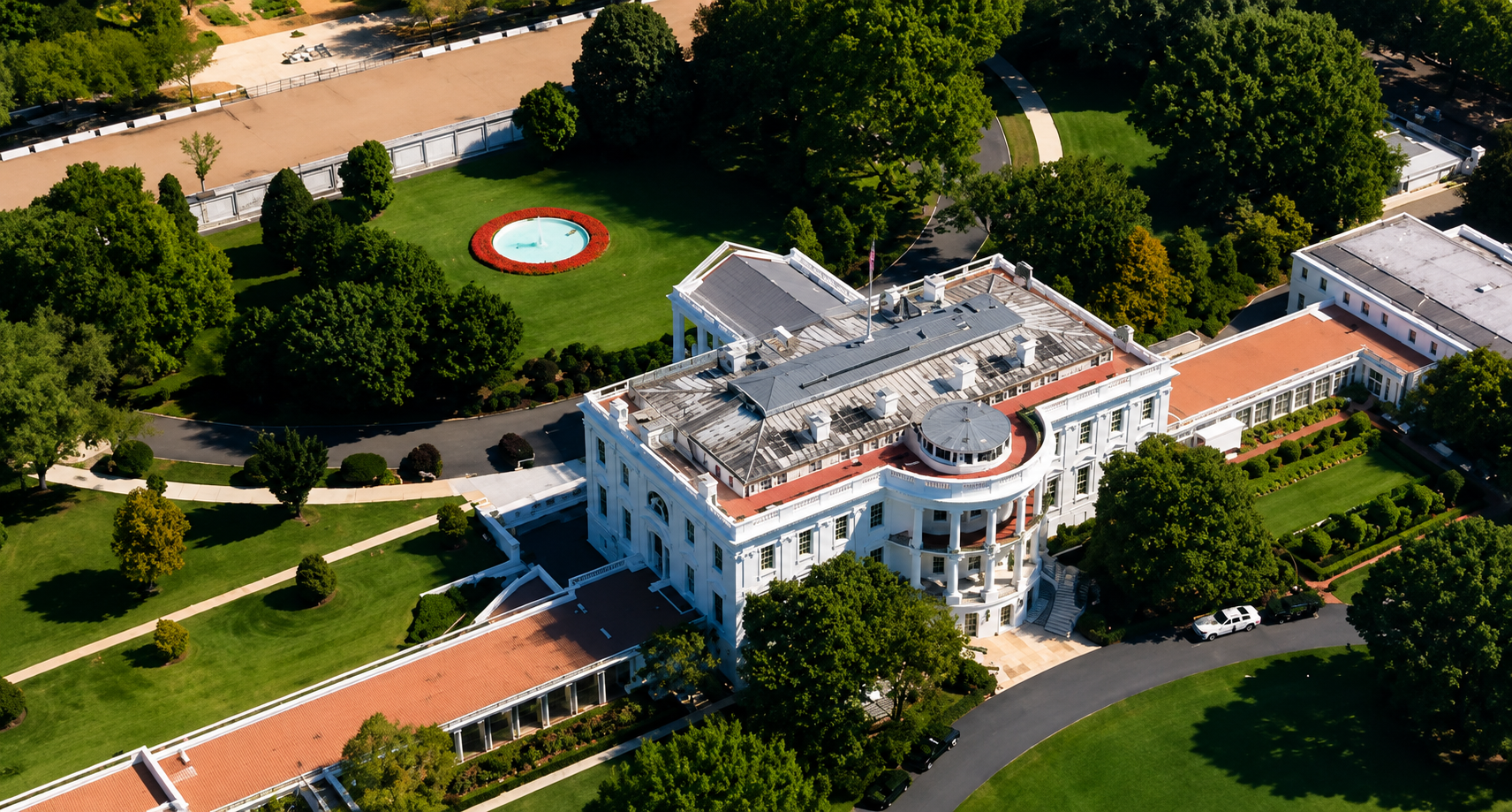
The East Wing Ballroom Executive Residence Contract refers to the construction agreement for President Trump’s new White House ballroom, awarded to Clark Construction through the Executive Residence office. The deal was awarded without competitive bidding, and its cost has risen from an initial $200 million estimate to as much as $600 million.

What Is the East Wing Ballroom Executive Residence Contract
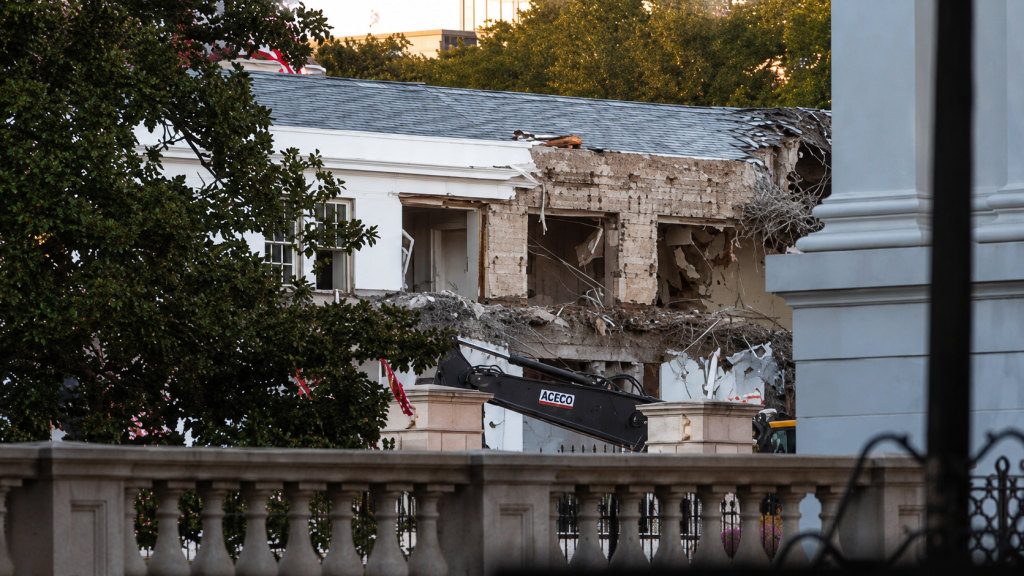
The contract covers the demolition of the former East Wing and construction of a new ballroom and support facilities at the White House. White House officials awarded a no-bid contract worth up to $500 million for the East Wing ballroom project, with Trump personally negotiating some costs, including a reduction in the price of concrete. The contract was awarded through the Executive Residence, an office that is exempt from rules requiring federal agencies to seek competitive bids and publicly disclose contract details. Yahoo!U.S. News & World Report
The contract went to Virginia-based Clark Construction, which charged a 3% profit for its early work on the East Wing. U.S. News & World Report
How Much Does the Project Cost
The price has changed several times since the project was first announced.
| Stage | Reported Cost |
|---|---|
| Initial estimate (2025) | $200 million |
| Later revision | $300 million to $400 million |
| Most recent figure | $500 million to $600 million |
| Broader construction program total | Over $1 billion (per New York Times analysis) |
The White House ballroom construction cost has risen to $600 million, with taxpayer dollars funding half. Trump has said the ballroom will not cost taxpayers one dime and will be paid for by him and private donors as a gift to the United States. The HillEl-balad
Why There Was No Competitive Bidding
By classifying the demolition and construction project as an improvement under the Executive Residence, the administration was able to award the job to its preferred contractor without exposing the project to outside competition. Procurement experts said the Executive Residence has legal authority to issue contracts without competitive bidding, but questioned whether a project of this scale should have followed a more open process. Latest US NewsCrispNG
A spokesperson for Clark Construction said the company follows established procurement and contracting processes for each project and executes the work consistent with schedule, budget, delivery, and contractual requirements. Yahoo!
Scope of the Project
Plans call for a 90,000-square-foot East Wing modernization with a 22,000-square-foot ballroom capable of seating 650 to 999 guests. A glass bridge will connect the new venue to the Executive Residence, allowing guests to move between spaces without stepping outdoors. Hotel WashingtonHotel Washington
| Feature | Detail |
|---|---|
| Total renovation area | 90,000 square feet |
| Ballroom size | 22,000 square feet |
| Guest capacity | 650 to 999 |
| Ceiling height | 24 feet |
| Connection to main residence | Glass bridge |
The blueprints also call for a movie theater, upgraded kitchen facilities, vast new office spaces, and a secure underground bunker designed to house sensitive military and medical infrastructure. White House spokeswoman Karoline Leavitt confirmed that the military was upgrading facilities under the new East Wing but declined further comment. Latest US NewsHotel Washington
Project Timeline
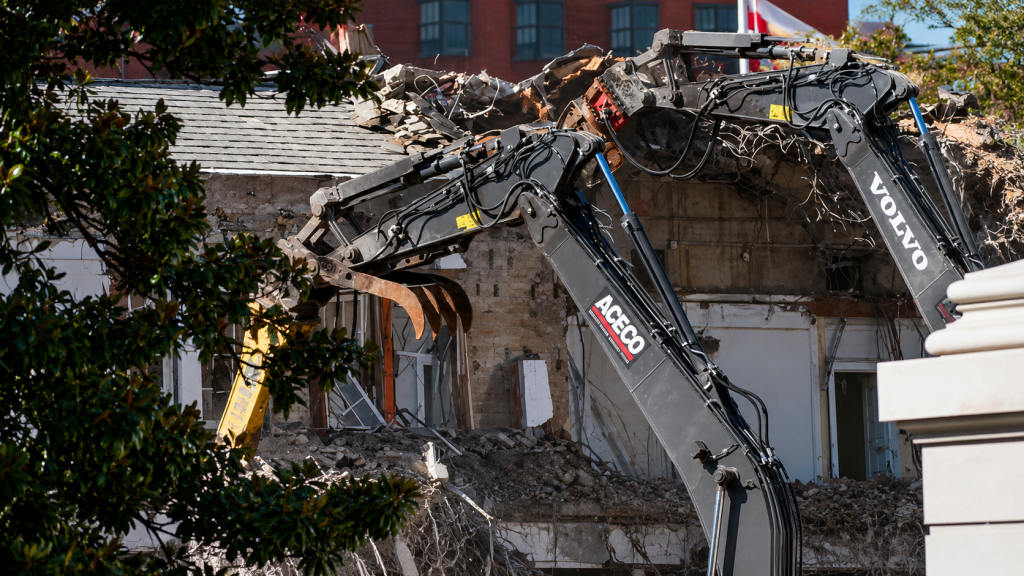
Demolition of the East Wing began in October 2025, and construction started the following month, with the goal of finishing before President Trump’s second term ends in 2029. Hotel Washington
Funding Sources
Funding for the project comes from a mix of private donations and government accounts.
| Source | Amount | Type |
|---|---|---|
| Private sources | $293 million | Private |
| Secret Service funds | $155 million | Taxpayer |
| White House Military Office | $149 million | Taxpayer |
| Executive Residence | $3 million | Taxpayer |
Records show that in March 2025, officials planned to derive $293 million from private sources to fund the project, while $155 million would come from Secret Service funds, $149 million from the White House Military Office, and $3 million from the Executive Residence. The latter three sources are funded by taxpayer dollars. The HillThe Hill
Last October, a group of private companies including Microsoft, Amazon, Meta, Apple, Google, Coinbase, and Comcast agreed to back the project through donations to the Trust for the National Mall, a group funding the ballroom. The Hill
Legal and Public Concerns
Construction has continued while courts consider ongoing legal challenges brought by preservation groups, which argue that demolishing or significantly altering portions of the historic building requires more oversight. Construction is currently allowed to proceed under an appeals court order, but future court rulings could affect the project’s scope or legality. CrispNGCrispNG
Lawmakers in both parties have suggested they do not want to see tax money going toward the project. The president previously said he and wealthy donors would fund the ballroom project, but later asked Congress for $1 billion in taxpayer money for security upgrades, which Senate Republicans declined to approve. The HillU.S. News & World Report