











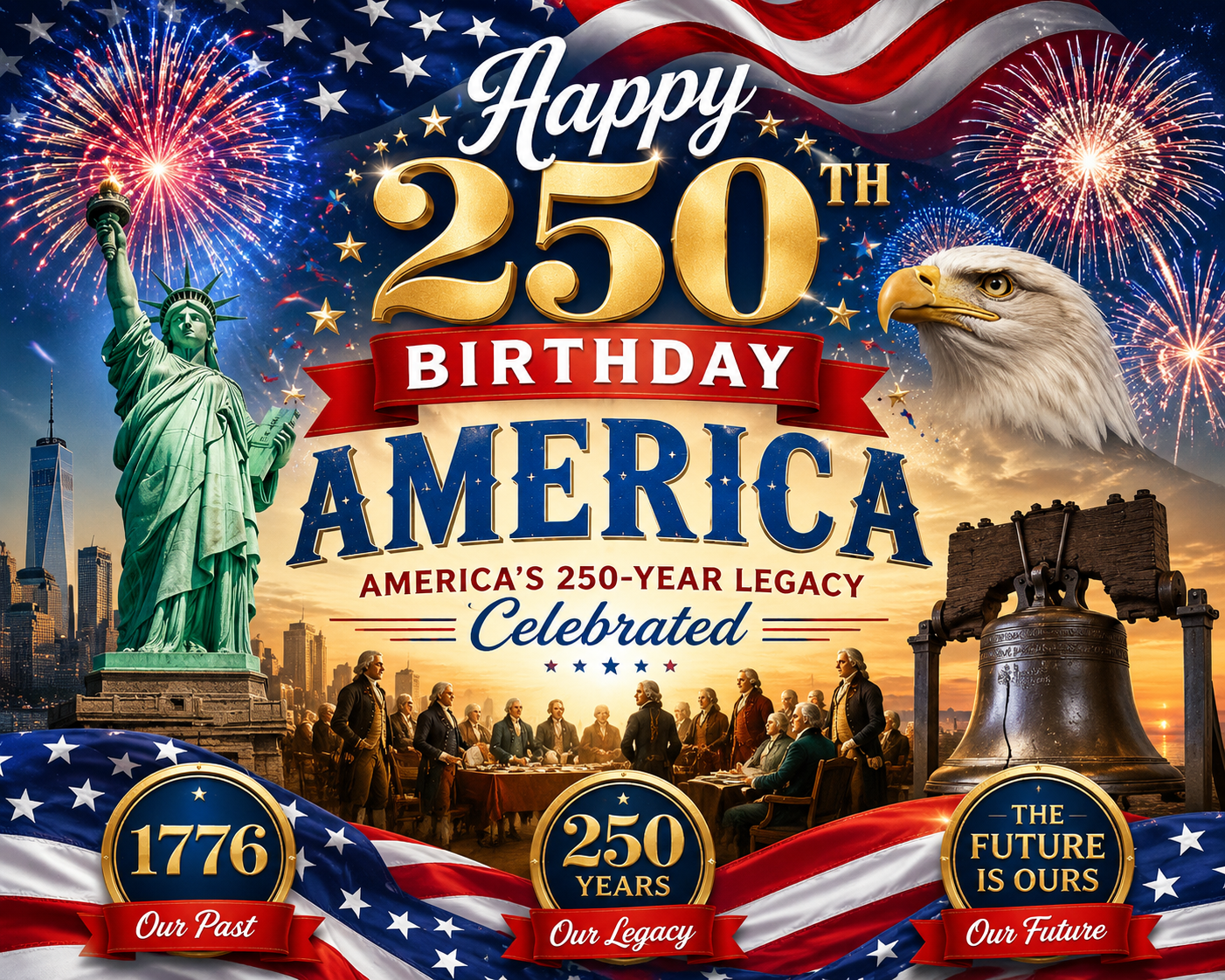
America marks its 250th birthday in 2026, celebrating two and a half centuries since the signing of the Declaration of Independence on July 4, 1776.

The Birth Of A Nation
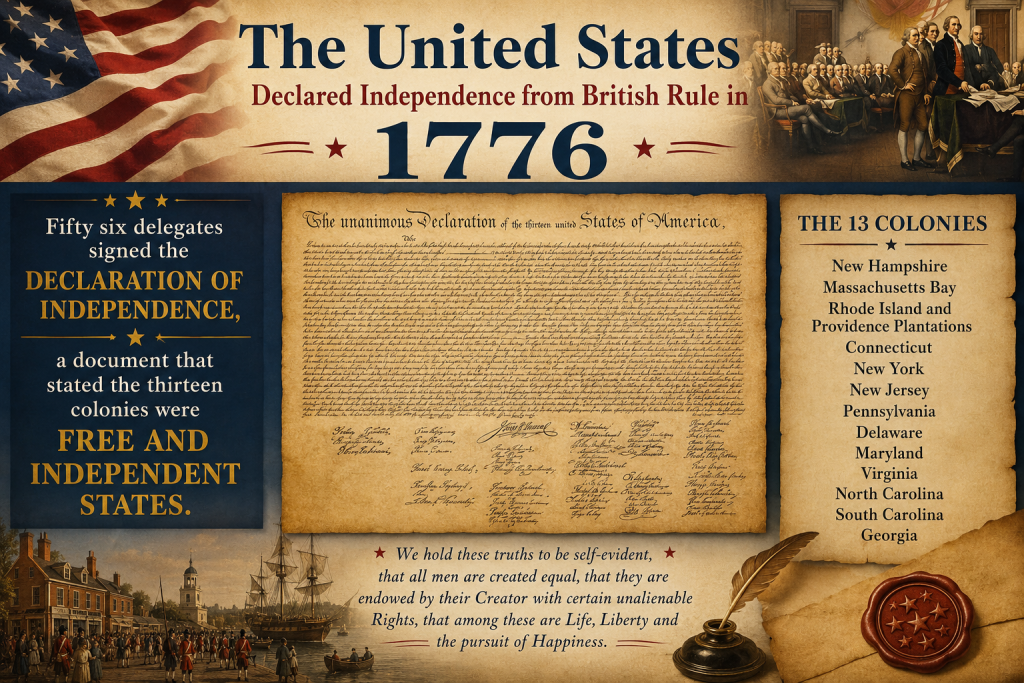
The United States declared independence from British rule in 1776. Fifty six delegates signed the Declaration of Independence, a document that stated the thirteen colonies were free and independent states. This event laid the foundation for the country’s system of government and its core values of liberty and self rule. The National Archives holds the original Declaration and provides historical records from this period.
Why 2026 Is Called The Semiquincentennial
The term semiquincentennial means a 250 year anniversary. It comes from Latin roots referring to half of a quincentennial, which marks 500 years. Historians and government bodies use this term to describe major milestone anniversaries for the United States. The Smithsonian Institution documents historical milestones like this as part of preserving American heritage.
Key Events In America’s 250 Year History
The country’s history includes major turning points that shaped its identity. The table below lists some of the most significant milestones since 1776.
| Year | Event |
|---|---|
| 1776 | Declaration of Independence signed |
| 1787 | U.S. Constitution drafted |
| 1861-1865 | Civil War |
| 1920 | Women’s right to vote nationwide |
| 1945 | End of World War II |
| 1969 | Moon landing |
These events reflect key moments of change, growth, and reform across the nation’s history. The Library of Congress maintains detailed records and primary sources covering each of these periods.
The Role Of The Constitution
The U.S. Constitution, adopted in 1787, established the structure of the federal government. It created three branches of government: legislative, executive, and judicial. This system of checks and balances remains in place today and is a key reason the country’s government has stayed stable for 250 years. The National Constitution Center offers public resources explaining the Constitution’s history and structure.
National Symbols And Their Meaning
Several symbols represent the country’s history and values. The American flag, the bald eagle, and the Statue of Liberty are widely recognized worldwide. Each symbol carries meaning tied to freedom, strength, and unity. The Smithsonian Institution also preserves historical artifacts connected to these national symbols.
America250 And The National Commemoration
A federal commission named America250 was formed to help organize and support activities recognizing this milestone anniversary across the country. States, schools, and communities are encouraged to take part in local recognition of the anniversary. The America250 commission serves as the official organization coordinating this national milestone.
Looking Toward America’s Future
The 250th anniversary also inspired conversations about the future of the United States. Civic leaders, historians, educators, and community organizations emphasized the importance of preserving democratic institutions, encouraging civic participation, and preparing future generations to continue shaping the nation.
While viewpoints differed on various political and social issues, many events focused on the shared significance of the Declaration of Independence and the ideals of liberty, equality, and self-government that continue to influence the country today.
A Celebration of Legacy and Hope
America’s 250th birthday marked a rare opportunity to celebrate a remarkable chapter in world history. The Semiquincentennial honored the nation’s founding principles while recognizing the generations of Americans who have contributed to its growth over the past 250 years.
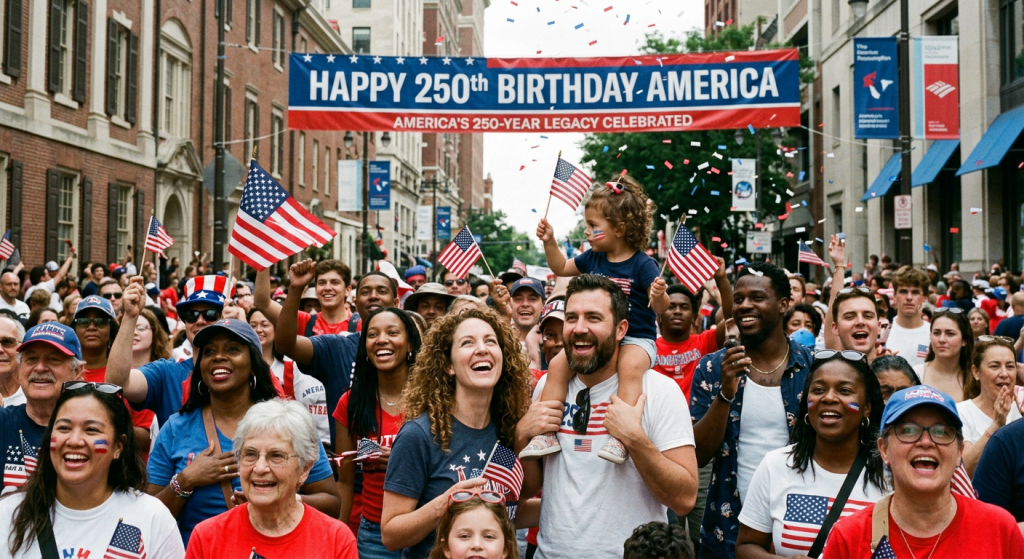
From spectacular fireworks and patriotic parades to educational exhibits and community gatherings, the anniversary reflected both pride in the country’s legacy and hope for the future. As the United States begins its next chapter, the 250-year milestone stands as a reminder of the nation’s enduring story and the continuing pursuit of freedom, opportunity, and unity.